Introduction
The intention of this thread is to discuss tips, skills, experiences, and intentions relating to conversations and interpersonal communication.
A few questions follow to spark some inspiration:
Many CiK readers work in jobs that don't require extensive speaking engagements. In general, the most important relationships and interactions across the lifespan still involve verbal conversations - that is, talking with someone in-person or on a phone call / video chat. Nonetheless I'll include a link for consideration to assist in enhancing comms on CiK: Enhancing the Quality of Conversations on CIK and the Retention of Members.
A few related threads include:
Communicating in Conversation
Before getting into the many micro-tactics like the rate of speech, I'll start with a broad yet essential concept. This is about learning and can be applied to many domains, especially conversations.
Tip 1: Knowledge is overrated. Use it or lose it.
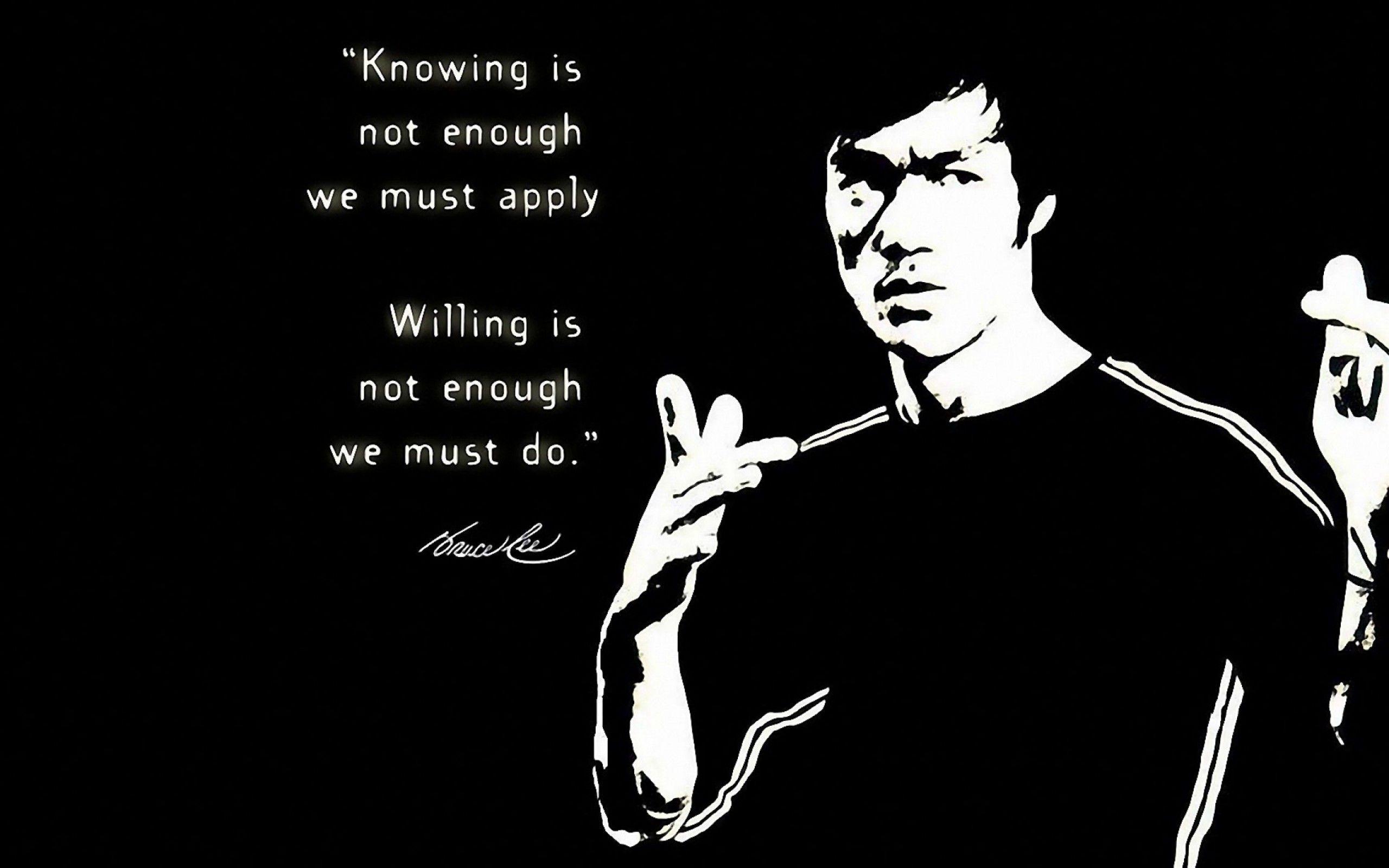
Considering the limits of mere consumption and observation, I'll also be using this thread to keep myself accountable with practices to maintain or develop. Please feel free to add your own thoughts, experiences, and insights.
The intention of this thread is to discuss tips, skills, experiences, and intentions relating to conversations and interpersonal communication.
A few questions follow to spark some inspiration:
- What challenges have you faced in conversations, and how did you overcome them and/or how do you continue to manage them?
- What tactics or styles have you seen other people embody that reflect learnable insights?
- How would you like to improve your future interactions?
Many CiK readers work in jobs that don't require extensive speaking engagements. In general, the most important relationships and interactions across the lifespan still involve verbal conversations - that is, talking with someone in-person or on a phone call / video chat. Nonetheless I'll include a link for consideration to assist in enhancing comms on CiK: Enhancing the Quality of Conversations on CIK and the Retention of Members.
A few related threads include:
- Marketing and Sales Thread - more focused on online marketing.
- The Workplace Thread - involves general chats about experiences at work.
- Daily Interactions With Women - includes tips about engaging women in day-to-day life.
Communicating in Conversation
Before getting into the many micro-tactics like the rate of speech, I'll start with a broad yet essential concept. This is about learning and can be applied to many domains, especially conversations.
Tip 1: Knowledge is overrated. Use it or lose it.
- There's an everyday cognitive trap that, as a way to preserve our self-confidence, inaccurately shrinks the perceived gap between our beliefs and behaviors. It's extremely easy to identify with an ideal but not embody it.
- Many of us have insatiable appetites for intellectual stimulation. Yet almost everyone including myself overestimates the value of receiving information and knowledge. We often consume data from the external world and think 'I get this'... and then forget about it by the next day.
- Relying on more information to make us feel ready before taking action also reflects a common pattern of immediate self-protection that delays longer term growth. I expanded on this in the Approach Thread.
- Can we imprint the learning onto others as smoothly as it was given to us?
- Are we effectively implementing the idea in real life?
- Even if we can initiate an action, can we maintain it across time and situations?
Considering the limits of mere consumption and observation, I'll also be using this thread to keep myself accountable with practices to maintain or develop. Please feel free to add your own thoughts, experiences, and insights.