Enhancing Conversations and Communication Skills

Steady Hands

Moderator
Philanthropist
Heirloom
Protestant
Introduction

The intention of this thread is to discuss tips, skills, experiences, and intentions relating to conversations and interpersonal communication.

A few questions follow to spark some inspiration:
  • What challenges have you faced in conversations, and how did you overcome them and/or how do you continue to manage them?
  • What tactics or styles have you seen other people embody that reflect learnable insights?
  • How would you like to improve your future interactions?
Personally, my main goal is to continue enhancing my interactions and communication skills in the professional field, especially in conversation. Most of these concepts can be applied to the personal sphere, and many can be extended to the medium of writing and 2D screen-based communications.

Many CiK readers work in jobs that don't require extensive speaking engagements. In general, the most important relationships and interactions across the lifespan still involve verbal conversations - that is, talking with someone in-person or on a phone call / video chat. Nonetheless I'll include a link for consideration to assist in enhancing comms on CiK: Enhancing the Quality of Conversations on CIK and the Retention of Members.

A few related threads include:


Communicating in Conversation

Before getting into the many micro-tactics like the rate of speech, I'll start with a broad yet essential concept. This is about learning and can be applied to many domains, especially conversations.

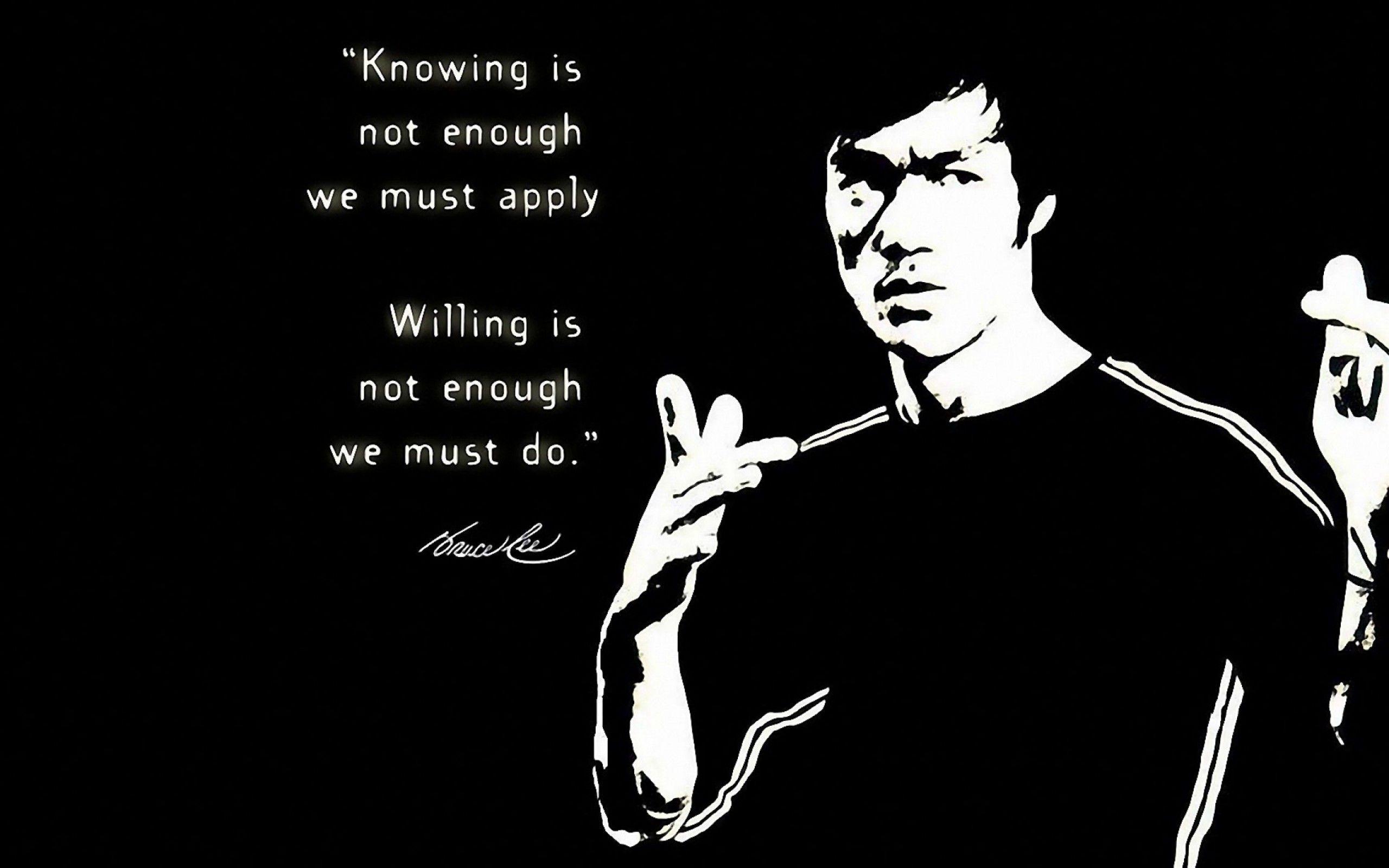
Tip 1: Knowledge is overrated. Use it or lose it.
2025937.jpg

  • There's an everyday cognitive trap that, as a way to preserve our self-confidence, inaccurately shrinks the perceived gap between our beliefs and behaviors. It's extremely easy to identify with an ideal but not embody it.
  • Many of us have insatiable appetites for intellectual stimulation. Yet almost everyone including myself overestimates the value of receiving information and knowledge. We often consume data from the external world and think 'I get this'... and then forget about it by the next day.
  • Relying on more information to make us feel ready before taking action also reflects a common pattern of immediate self-protection that delays longer term growth. I expanded on this in the Approach Thread.
But what does 'learning' really mean...
  • Can we imprint the learning onto others as smoothly as it was given to us?
  • Are we effectively implementing the idea in real life?
  • Even if we can initiate an action, can we maintain it across time and situations?
Here's a timestamped video primer that relates these questions to communication skills:


Considering the limits of mere consumption and observation, I'll also be using this thread to keep myself accountable with practices to maintain or develop. Please feel free to add your own thoughts, experiences, and insights.
 
Great thread idea. I was a language teacher for several years, have extensive experience in media production and more recently have been an instructor/trainer in a high-intensity technical profession so I have thought a loooooot about communication. I 1000% agree with your point about how getting a lot of INPUT doesn't actually add up to much if you can't or won't OUTPUT it. Even better if in the process of outputting you can synthesize or apply the information in a novel way. I've long felt that if you can't succinctly explain an idea or concept (or at least the cliffnotes version) to someone in plain English with important takeaways, you don't actually understand it yourself. For my career change I had to self-study many textbooks worth of information, and explaining to my wife (bless her patience) what I'd learned in layman's terms was what really helped me lock in the knowledge, find my gaps in understanding, and so forth. Highly recommend to anyone who has the objective of deeply understanding and communicating a knowledge base.

In general, if I had to narrow it down, my #1 rule of communication would probably be: Know your audience. Which applies in countless ways to every form of comms.

Personally I do very well with communication in any kind of professional or structured context, or in one-on-ones, but I struggle much more in chaotic group situations, both socially and professionally. Bits of small talk aside, I mostly mind my own business and only pipe up if I'm involved by someone else or I have a particularly relevant insight to a conversation.

I have sometimes thought about behaving with more leadership and initiative in group situations (thinking mostly professionally here) but what holds me back is not really wanting to be someone who bothers other people or makes things about themself. However I wonder if part of that is cope justifying taking the easy road and skating by when developing a more assertive/leaderly professional persona could lead to better opportunities as well as self-actualization down the road. I don't have access to direct promotion in my current situation but I feel there are opportunities to practice and grow.

So I guess I am interested in tips for an introvert on how to develop authentic leadership communication and personality in loosely structured group environments without being overbearing to others.
 
Great thread idea. I was a language teacher for several years, have extensive experience in media production and more recently have been an instructor/trainer in a high-intensity technical profession so I have thought a loooooot about communication. I 1000% agree with your point about how getting a lot of INPUT doesn't actually add up to much if you can't or won't OUTPUT it. Even better if in the process of outputting you can synthesize or apply the information in a novel way. I've long felt that if you can't succinctly explain an idea or concept (or at least the cliffnotes version) to someone in plain English with important takeaways, you don't actually understand it yourself. For my career change I had to self-study many textbooks worth of information, and explaining to my wife (bless her patience) what I'd learned in layman's terms was what really helped me lock in the knowledge, find my gaps in understanding, and so forth. Highly recommend to anyone who has the objective of deeply understanding and communicating a knowledge base.

I Like It Good Job GIF


Thanks for sharing. I appreciate your mutual interest in this area. Mastering interpersonal communication can provide huge ROIs over the course of a lifetime, for both personal relationships and professional careers.

In general, if I had to narrow it down, my #1 rule of communication would probably be: Know your audience. Which applies in countless ways to every form of comms.

Great advice. What are some examples of how you get to 'know your audience' and then respond to your audience based on this knowledge?


Here is one approach to the topic.

Tip #2: Understand and adapt to others' personality types and communication preferences

For the purpose of enhancing conversational effectiveness, understanding differences in personality types and communication preferences is very useful. This is more of a process-based approach (understanding the WAY others experience and interact with the world and HOW they prefer to receive/give information), rather than a content-based approach (understanding specific needs, goals, fears etc).

For example, adapting your presented level of detail to the needs of the audience is a powerful approach. Does the person in front of you want lots of detail and specific information, or are they more interested in the big picture and broader frameworks?

In the video below, Vinh uses colours to frame these and other differences. While I find linking colours to communication styles hard to remember, there are some solid tips here.
This color system is based on what I learnt from the book Surrounded by Idiots which has helped me immensely when it comes to immediately identifying what type of person someone I meet is so that I can adjust my communication style to be more effective at connecting with them. If you want to learn how to talk to anyone, anytime, anywhere, emotional awareness is key, and this tool will help you develop your EQ muscle to better connect with anyone, whether at work with your boss, colleagues or your personal relationships


Personally I do very well with communication in any kind of professional or structured context, or in one-on-ones, but I struggle much more in chaotic group situations, both socially and professionally. Bits of small talk aside, I mostly mind my own business and only pipe up if I'm involved by someone else or I have a particularly relevant insight to a conversation.

I have sometimes thought about behaving with more leadership and initiative in group situations (thinking mostly professionally here) but what holds me back is not really wanting to be someone who bothers other people or makes things about themself. However I wonder if part of that is cope justifying taking the easy road and skating by when developing a more assertive/leaderly professional persona could lead to better opportunities as well as self-actualization down the road. I don't have access to direct promotion in my current situation but I feel there are opportunities to practice and grow.

So I guess I am interested in tips for an introvert on how to develop authentic leadership communication and personality in loosely structured group environments without being overbearing to others.

Managing structured one-on-one conversations, especially with someone we know is *a lot* easier than navigating unstructured interactions in groups, in particular with people new to us.

This reflects a challenging and worthwhile endeavour. It's one which I have wrestled with for sometime, as I have little interest in being the centre of attention in informal social conversations.

However, I know that pushing myself to be involved is important for establishing visibility, likeability, and authority in the eyes of colleagues and leaders. It's also critical to initiate meetups and accept invitations for social events, presentations, or even non-essential meetings. To get motivated to join, I need to be patient and think long-term. Gotta remind myself that my larger career goals could be more easily achieved through consciously developing relationships both within and beyond my existing team.


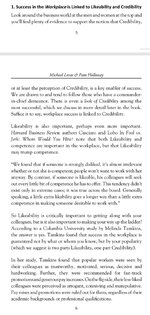
Some people are liked pretty much univer-
sally. In other cases, likability is relative: One
person’s friend may be another one’s jerk. This
is because our positive feelings can result from
people’s inherent attributes or from the situa-
tions we find ourselves in with them. This dis-
tinction is important to keep in mind as we try
to manage this tendency of people to favor lik-
ability over competence in their choice of
work partners.
Social psychologists have long known that
we like people who are similar to us; people we
are familiar with; people who have reciprocal
positive feelings about us; and people who are
inherently attractive, either in their appear-
ance or their personality—that is, they are con-
siderate, cheerful, generous, and so on. Each of
these sources of personal likability can contrib-
ute, for better or worse, to the formation of an
informal network
From 'Competent Jerks, Lovable Fools, and the Formation of Social Networks' by Tiziana Casciaro and Miguel Sousa Lobo [PDF copy].

Like many men, I've often fallen into the trap of attending -- single-mindedly -- to tasks and actions, while neglecting warmth and affiliation in relationships. One implication is that, even in work-oriented meetings, I still need to pay close attention to enhancing positive relationships and others' perceptions of my warmth and authority; rather than merely attending to duties, ticking off jobs, and distributing responsibilities.

This brings us to..

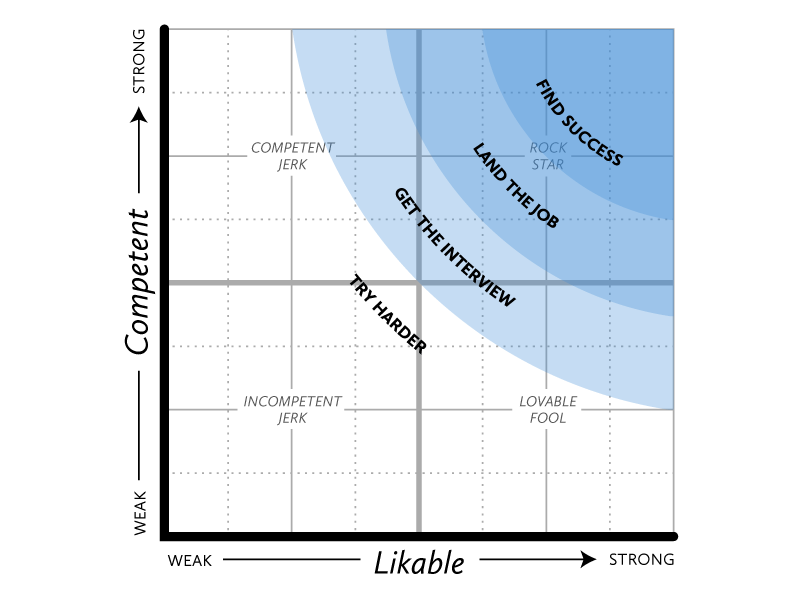
Tip #3: Being viewed as likeable and confident, not just being skilled and competent, can be the determining factor in getting the next step up.

Further reading

From the 'Axis of Influence: How Credibility and Likeability Intersect to Drive Success'
By Michael Lovas, Pam Holloway [LINK]

1000062236.jpg

From the article Competence and Likability as Keys to Success:
Competence gets a foot in the door. Likability gets the job. Striving for both is the key to success.
cl-4.gif


Now, getting back to your situation.

- Can you explain a bit more about the context of the "loosely structured group environments"? Are you thinking of situations among people of a similar, lower, and/or higher hierarchical level? Is this seated at a dinner table in a restaurant with known colleagues after work, standing up and moving around at a networking function with unknown people, or another context?

- What does "authentic leadership communication" mean to you and how does this relate to your longer-term career goals?
 
Here is a game changer for helping to improve our communication skills through objective self-assessment and fine-tuned diagnosis.

Tip #4: Record yourself

The majority of people don't like hearing their voice played back to them or seeing themselves on camera. This indicates a number of things, such as:
  • There is usually a large disparity between how we view ourselves and how others view us.
  • Speaking in a pleasing, clear, and confident manner does not come 'naturally'. Rather, it reflects a skill that needs to be and can be learned over time.
  • Making conscious, ongoing efforts to enhance our image, articulation, and related communication skills is central to maximizing success at work and with personal relationships.
Personal reflection

Even after years and years of continuous self-improvement - both in terms of building knowledge and trying out behaviours - I still don't like how I usually sound and look, depending on a few factors such as how well I slept the night prior. Instead of being complacent, I have to remain conscious of issues like relying on filler words, properly articulating every word (it's common in Australia to 'slur' words and blend syllables together), speaking too fast, etc. Listening and watching myself speak has been a painful but necessary step forward to help with these points - and thus help with so many aspects of life.

Resources

Intro, short version

'RECORD YOURSELF for 5 Minutes'


Longer version

'The Laziest Way To Be A Top 1% Communicator'


^ Timestamped to 1:00. Final part from 11:30 onwards includes inevitable marketing. Description:
In this video I'm sharing with you a powerful 5 step process that will transform the way you communicate forever. It's a process I call record and review where you record a 5 minute video of yourself speaking to camera.You then review your video from 3 different perspectives, from your vocal image, your visual image and your verbal image. By doing this you uncover the non-functional habits that prevent you from speaking with authority, credibility and clarity.
== Timestamps ===0:00- Intro1:00 - Step 1: Communication Mirror5:17 - Step 2: Vocal Review6:48 - Step 3: Visual Review8:35 - Step 4: Verbal Review10:28 - Communication Frameworks11:31 - Creating Your 12 Week Plan

^ One of the key points I'll emphasize is this: try to focus on 1-2 things at a time (like removing superfluous words / utterances), rather than trying to change 5+ things at once.

This brings us to another tip, which can be greatly streamlined once you have recorded yourself.

Tip #5: Remove filler words

Removing or even reducing filler / crutch words can enhance both your perceived and felt confidence in a huge way. It is important to become fully aware of what your *own* filler words are, hence the benefit of recording yourself.

Personal reflection

Most people use fillers in speech including myself. I can recall that this chick I was dating once teased me for saying "well" too much. At the time it was quite aggravating, but I later realized that this was valuable feedback.

Resources

Australian speaker:

'How to Remove Filler Words to Sound More Articulate'


Description:
When you want to sound more articulate, one of the easiest strategies is to remove filler words from your speech. Filler words can diminish your credibility, dilute your message, and make you sound nervous. None of these things will help you sound more articulate when you speak!Because filler words are probably ingrained in your communication and you use them subconsciously, they can be tricky to remove. But in this video, I share with you a 3-step strategy to successfully remove filler words from your communication so you can sound more articulate. This activity can be done on your own at home. I explain all about this activity in this video! So, do you want to remove filler words and sound more articulate? Let's go!
Timestamps: 00:00 Remove filler words to sound more articulate00:12 Why are filler words bad for your communication?01:05 What are filler words?01:45 Example of filler words in a sentence02:02 First step to remove filler words03:04 How to know if you use filler words04:31 Second step to remove filler words05:08 How to stop people interrupting you06:23 How long should you pause for?07:31 Third step to remove filler words08:41 Activity to monitor your progress09:36 Common filler words

American speaker:

'How I've Banished Filler Words From My Speech'


Description:
In this video, I share my journey of how I overcame the habit of using filler words such as "um" and "ah" in my speaking. I reveal practical tips and techniques that helped me become a more confident and clear communicator, whether in public speaking, presentations, or everyday conversations. By applying the strategies I learned, you can prunue filler words and take your speaking skills to the next level.
Comment:
Takeaways: How to stop/minimise using filler/buffer words:1. Being cognizant of the last word you use, particularly the last letters brings attention to word choice. 2. Employing pauses, being comfortable in the pause since we use fillers to fill yhat space. The pause and space alcan be an opportunity for time to consider more appropriate words to use.3. Focusing on ur conversation psttner and less on urself. Be the messenger for the ideas to come across
 
Back
Top