
True farmer kills the snake without hesitation the moment he sees it. Doesn't give him any chances.Can the farmer be angry at the snake?
Last edited:

True farmer kills the snake without hesitation the moment he sees it. Doesn't give him any chances.Can the farmer be angry at the snake?

True farmer kills the snake without hesitation the moment he sees it. Doesn't give him any chances.

It's a psyop. Full stop.The biggest criticism of Q is that it's unChristian.
God is in the light. Even if Q wasn't a psyop, it works in darkness, relies on deception, and is an unGodly working that intends to trick the great enemy rather than fighting them face on on.
Q is a bolshevik era psy-op. Who in 2026 is believing that gay shit other than dumb boomers...Even if Q wasn't a psyop


 newrepublic.com




Get out the tractor emoji
The brazenness. I hope the world is watching as something needs to happen quickly.
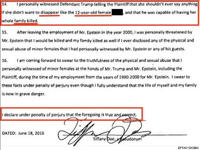
No because her hubby probably raped and killed more.If there was any teeth to it then Hillary would have used it
During Biden a lot of retired servicemen warned against joining the military because it'll be either jab or Israhell and sure enough look where we are now.Oh something will happen. Our leaders will probably go to war with Iran on Israel’s behest.
That’s the something that will happen

Not if one big Jew made a deal with another big Jew.That was in 2016? If there was any teeth to it then Hillary would have used it
Edit I have no idea if Trump diddled children . But if there was any actual rape claims it would have been all over the news in 2016 or 2020 or 2024
Oh something will happen. Our leaders will probably go to war with Iran on Israel’s behest.
That’s the something that will happen
Ain't gonna' happen.Luxury meal today, means we go to war with Iran tomorrow or Sunday
Ain't gonna' happen.
Very high chance of that. Remember the plandemic (was it SPARS?) scenario where 'islamic terror group' was to deploy a bioagent in the west. I don't think a false flag will convince people now that the Israeli hysteria is out in the open and it's clear to see it drives this conflict. They can do it but no one will believe it like 9/11. Every con they do has a cost in form of inoculating the public against future ones.False flag imminent.
Edit @PurpleUrkel what I meant by that is that the Iran talk might be a distraction from a false flag happening in the USA.