
The morality of piracy


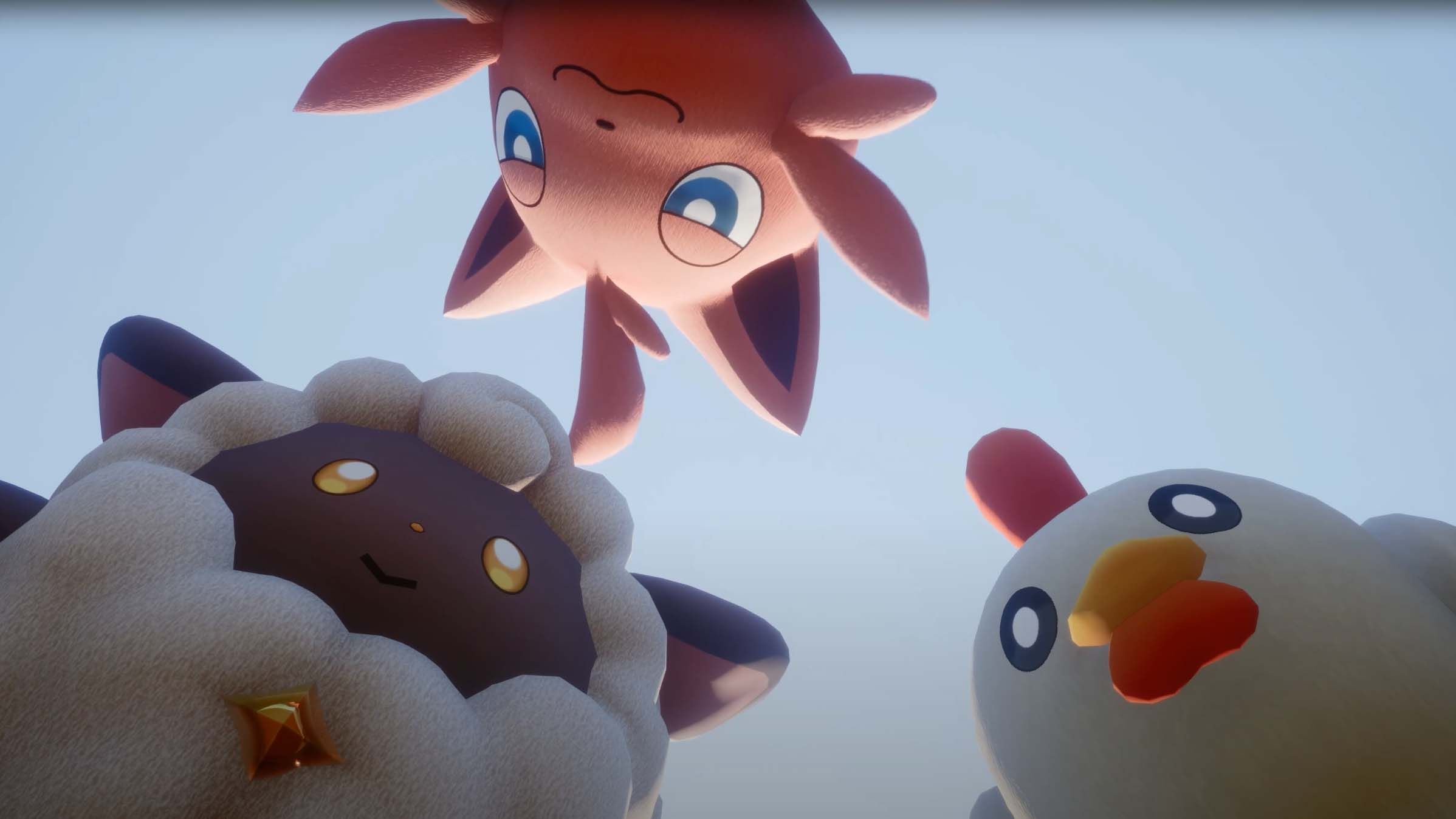
The Patent '397 covers the fundamental mechanics of summoning a character to have it fight another. So yes, sounds like Pokmon. However, it also describes things that many other games do.

Unlike many patents, which often face heavy scrutiny or rejections before theyre approved, this one glided through the U.S. Patent Office without objections. It was filed in March 2023 and granted just last week.

Patent '397 is potentially explosive for the gaming industry, because it isn't just about Palworld.
If a game does all of the following, it could be challenged.

  • There must be a PC, console or other computing device and the game is stored on a drive or similar storage medium.
  • You can move your main character in a virtual space.
  • You can summon a secondary character (called the sub character in the patent).
  • If theres an enemy present, the summoned character fights it (either automatically or based on your input.)
  • If there isnt, the summoned character can still move and fight when it encounters an enemy later.
If a game does those things, Nintendo now has a patent that could be used to argue infringement. I'm sure you can think of 100s of games that do this. This isnt just a Pokmon thing. The patent language is so broad that it could arguably apply to mechanics across RPGs, action games, MMOs, and the list goes on.

Take Diablo 4, where the Necromancer class is built around summoning skeletons, golems, and other minions that fight automatically or under your direction. In World of Warcraft, warlocks summon demons, hunters summon pets. In Elden Ring, if youre not one of those solo purists, you might summon your Mimic Tear to help in battle (or, in my case, just finish the battle for me). The list is endless.

In other words, if youve played games at all in the last 20 years, youve seen this mechanic everywhere. And now, at least in the U.S., Nintendo has a patent claim that could theoretically be pointed at any of them.
This is a perfect example of BS intellectual property law being abused.
 
I hear your many examples of how the technofeudalists want to move you to a subscription-based model. This is all true. But I don't know how this then makes your piracy-based model ethical.

What about a situation when a streaming company changes it's offer after You subscribed to it?
Like the situation described in the TV show thread:

Isn't a company withdrawing movies and series that were available at the time of subscription stealing from You?
And wouldn't pirating those films/shows now, count as getting what one already paid for?
 
Isn't a company withdrawing movies and series that were available at the time of subscription stealing from You?
And wouldn't pirating those films/shows now, count as getting what one already paid for?
None of the streaming services are built off of any one movie or show in particular. It's baked into their service model that they will rotate their selection, which you acknowledge when you sign up for their service. They are not lying, cheating, or stealing from you by rotating their selection. If you are signing up for one show or movie in particular, then I strongly recommend buying the hard copy instead of signing up, and if that isn't available, rent or buy a digital copy on a service that provides it.
 
If you are signing up for one show or movie in particular, then I strongly recommend buying the hard copy instead of signing up, and if that isn't available, rent or buy a digital copy on a service that provides it.
Well, the situation doesn't affect me personally in any way (and it's one of reasons why I prefer hard copies), it just reminded me of this thread.

None of the streaming services are built off of any one movie or show in particular. It's baked into their service model that they will rotate their selection, which you acknowledge when you sign up for their service. They are not lying, cheating, or stealing from you by rotating their selection.
I'll have to disagree with You. Limiting the offer halfway through the subscription period seems like cheating to me. After all someone could have signed up only because of these particular media, and now he's denied something he already paid for.
 
I'll have to disagree with You. Limiting the offer halfway through the subscription period seems like cheating to me. After all someone could have signed up only because of these particular media, and now he's denied something he already paid for.
What do you mean by "limiting the offer halfway through the subscription period"? Most of these streaming services rotate (not limit) their selection on a monthly basis, the same frequency that they will charge you to use the service (meaning you can cancel if you don't like what's new). It's not like you sign up for a year and then they suddenly remove all their catalogue a month or even six months into the subscription and you're stuck paying for something you don't like.
 
What do you mean by "limiting the offer halfway through the subscription period"? Most of these streaming services rotate (not limit) their selection on a monthly basis, the same frequency that they will charge you to use the service (meaning you can cancel if you don't like what's new). It's not like you sign up for a year and then they suddenly remove all their catalogue a month or even six months into the subscription and you're stuck paying for something you don't like.

Yeah, I don't use these these services much, and it looks like I made an error. Thought they had longer subscription periods. My bad.

Edit. Checked, used to have an annual subscription with another service in the past, that's what confused me - assumed they're all the same.
Caveman status confirmed.
 
Last edited:
Back
Top