Christianity Lounge

For a long time I did have that view of heaven where we're basically ghosts/disembodied spirts living in some sort of dimension that is radically different from what we see on earth. It wasn't until I was well into adulthood when I learned that the traditional Christian of heaven is more more "fleshy" than what I had thought it would be. It just shows that ultimately a lot of our views on these theological matters tend to be shaped by what we see in popular media rather than actual doctrine.
I'd say this view of heaven is correct. You won't receive the glorified body until the final resurrection. What often goes underemphasized these days is that heaven is not the final resting place, the New Jerusalem is, where we will indeed have glorified bodies.
 

The years following World War II were a time of searching in the Western world: a quest to define what a modern, postwar identity would look like. In the United States, religion became part of that identity. The country adopted “In God We Trust” as its national motto in 1956, and before long, presidents were closing their speeches with the now-familiar benediction: “God bless America.”

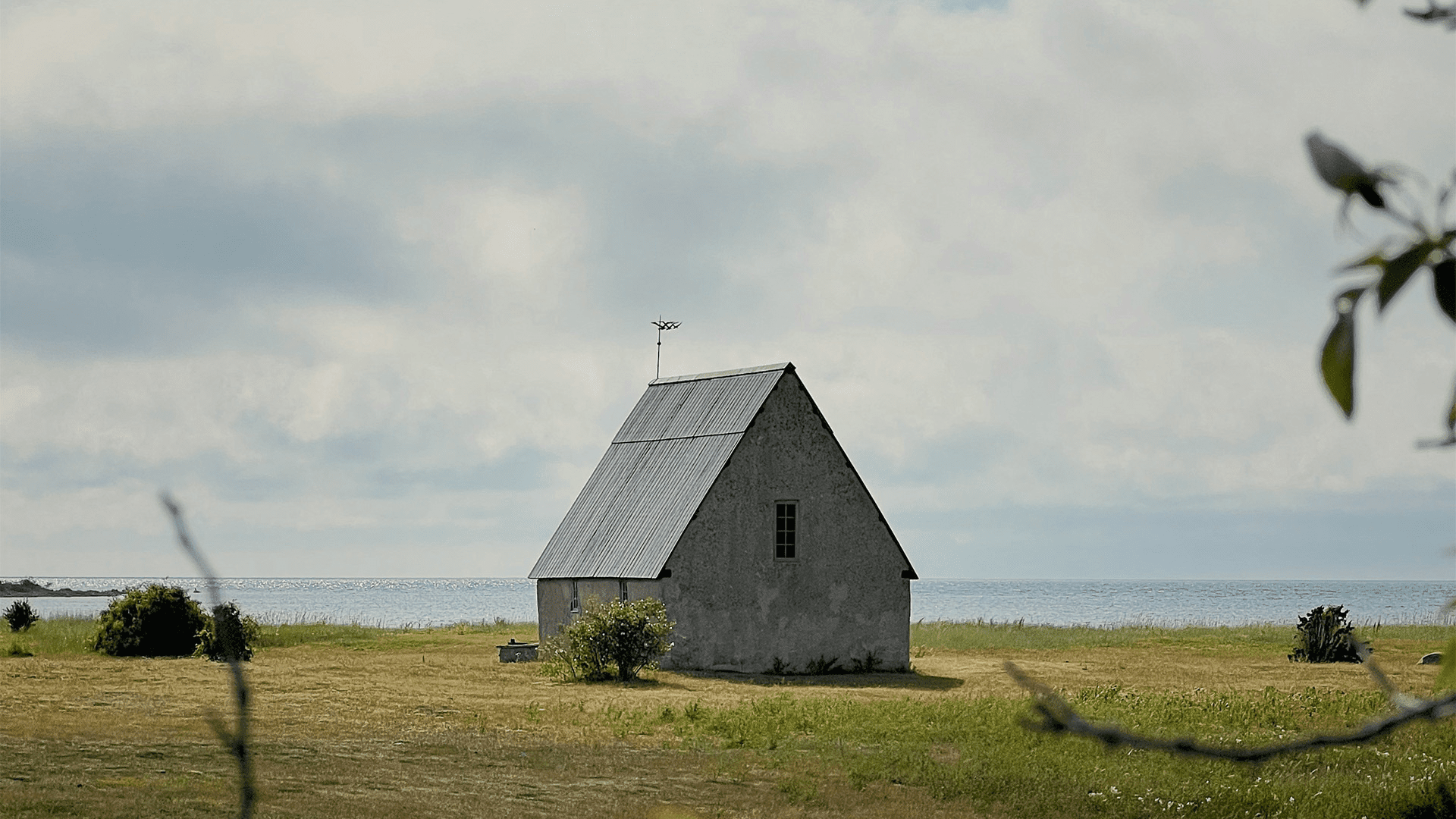
Sweden, however, chose a different path. We equated modernity with a secular, enlightened rationality, cast in stark opposition to tradition, and set out to become the most modern—that is, secular—nation on earth. Our country became notorious for “the Swedish sin”: films laced with nudity and premarital sex, which symbolized our deliberate break with conventional religious morality.

But in the last few years, something has shifted.

In 2010, Dagens Nyheter—that standard-bearer of secularism—hired a culture editor, Björn Wiman, who wore a cross, attended church, and penned columns praising Swedish archbishops.

The shift was evident in private life as well. One journalist, also in Dagens Nyheter, noted, “Conversations about spirituality—and I don’t mean yoga in Bali—are making their way into parties. Even at secular, intellectual dinner tables that once kept religion firmly at arm’s length.”

Sweden was becoming post-secular, in Jürgen Habermas’s sense of the word: a society where secularism is no longer the unquestioned norm.
 
Because of course Christ could raze them all to dust in an instant or rule over them irregardless if Satan's proposition if He wanted. But Satan thinks he rules them because he rules the hearts of so many. And he thinks that amounts to something.
As for Satan being given the kingdom of the world, after the fall this was true, but Christ was given all authority and dominion after His resurrection and ascension.

I'm still thinking about this. How do you think it practically plays out in history?

In Europe you had pagan places that were overthrown and renamed after Christians. I know some interpret this as Christ's authority and dominion after the ascension.

But you come to the US and this is not really the case (even though the US has more earnest Christians at this point). The Grand Canyon, for example, has its features named after Hindu Gods (which I hate by the way).

Now that the world is fallen, it has a fallen ruler, hence why we need Jesus.

I think I tend closer to this simple view. What I'm getting at is can we expect Christ's kingdom in any world power structure? Seems like at least partially, after the ascension.

After Epstein, though, it's hard to believe anything Christlike is there now.
 
But you come to the US and this is not really the case (even though the US has more earnest Christians at this point). The Grand Canyon, for example, has its features named after Hindu Gods (which I hate by the way).
But they thought America was India at first, they were probably just naming it that as a joke?
 
What I'm getting at is can we expect Christ's kingdom in any world power structure? Seems like at least partially, after the ascension.
Someone came up with the term statolatry which is reminiscent of idol worship in a way.

Do not put your trust in princes,
in human beings, who cannot save.

When their spirit departs, they return to the ground;
on that very day their plans come to nothing.

Blessed are those whose help is the God of Jacob,
whose hope is in the Lord their God.

He is the Maker of heaven and earth,
the sea, and everything in them—
he remains faithful forever.

He upholds the cause of the oppressed
and gives food to the hungry.

The Lord sets prisoners free,

- Psalm 146:3-7
 
I'm still thinking about this. How do you think it practically plays out in history?

In Europe you had pagan places that were overthrown and renamed after Christians. I know some interpret this as Christ's authority and dominion after the ascension.

But you come to the US and this is not really the case (even though the US has more earnest Christians at this point). The Grand Canyon, for example, has its features named after Hindu Gods (which I hate by the way).
I don't look at it through a political lens. It's not so much about establishing Christian kingdoms and empires, those already fell. It's about God saving a people for Himself. Politics is downstream from the spiritual.
 
I don't look at it through a political lens. It's not so much about establishing Christian kingdoms and empires, those already fell. It's about God saving a people for Himself. Politics is downstream from the spiritual
So when you see all those churches in Europe, all the art, and all the cities and places named after Christians what do you see?
 
Back
Top