2026 Bible Study Thread

Acts 3

[11] And as the cripple which was healed, held Peter and John, all the people ran amazed unto them in the porch which is called Solomon’s. [12] So when Peter saw it, he answered unto the people, Ye men of Israel, why marvel ye at this? Or why look ye so steadfastly on us, as though by our own power or godliness, we had made this man go? [13] The God of Abraham, and Isaac, and Jacob, the God of our fathers hath glorified his Son Jesus, whom ye betrayed, and denied in the presence of Pilate, when he had judged him to be delivered. [14] But ye denied the Holy One and the Just, and desired a murderer to be given you, [15] And killed the Lord of life, whom God hath raised from the dead, whereof we are witnesses. [16] And his Name hath made this man sound, whom ye see and know, through faith in his Name; and the faith which is by him, hath given to him this perfect health of his whole body in the presence of you all.
The Apostle Peter heals a man. Rather, God heals a man and grants it to Peter to do the miracle. Peter, being a true believer, rejects any credit for this miracle and gives the glory to God. When I read this, I can't help but think of how many "holy men" that claim to have the ability to perform signs and wonders. Even more shame on the heads of those who ascribe the power of miracles to them. Do any of them speak like the Apostles? Do any of them say, "It is not I who does the miracle, but it is the power of Jesus Christ"? Speak like the Apostles and not like these make-believers.

[19] Therefore, repent and turn, that your sins may be put away, when the time of refreshing shall come from the presence of the Lord. [20] And he shall send Jesus Christ, which before was preached unto you, [21] Whom the heaven must contain until the time that all things be restored, which God had spoken by the mouth of all his holy Prophets since the world began. [22] For Moses said unto the Fathers, The Lord your God shall raise up unto you a Prophet, even of your brethren, like unto me; ye shall hear him in all things whatsoever he shall say unto you. [23] For it shall be that every person which shall not hear that Prophet, shall be destroyed out of the people. [24] Also all the Prophets from Samuel, and thenceforth as many as have spoken, have likewise foretold of these days. [25] Ye are the children of the Prophets, and of the covenant, which God hath made unto our fathers, saying to Abraham, Even in thy seed shall all the kindreds of the earth be blessed. [10] [26] First unto you hath God raised up his Son Jesus, and him he hath sent to bless you, in turning every one of you from your iniquities.
One of Martin Luther's rediscoveries was that the Scripture teaches repentance, not penance. To repent means to turn away from your false beliefs and evil works. To do penance is to take it upon yourself to pay for your evil works. This text reinforces that metanoia, repentance, does in fact mean to change or turn away. By truly placing your faith in Jesus Christ you are turning away from your own works, your superstitions and broken beliefs. You know that these cannot save you, but Jesus can. You may see a key example of repentance in that great Apostle Peter. He rejected the crucifixion before it even happened, yet here, he says that it was necessary for the Christ to suffer and die, his mind having been opened by the Lord to understand the Scriptures.
 
Acts 4

[10] Be it known unto you all, and to all the people of Israel, that by the Name of Jesus Christ of Nazareth, whom ye have crucified, whom God raised again from the dead, even by him doth this man stand here before you, whole. [11] This is the stone cast aside of you builders which is become the chief cornerstone. [12] Neither is there salvation in any other; for among men there is given no other Name under heaven, whereby we must be saved.
The Apostles Peter and John are arrested for a good work. When interrogated, they profess that they are doing the will of Jesus. This is one of my favorite verses. There is salvation in no one else and there is no other name given under heaven by which men must be saved than the name of Jesus Christ.

[18] So they called them, and commanded them, that in no wise they should speak or teach in the Name of Jesus. [19] But Peter and John answered unto them, and said, Whether it be right in the sight of God, to obey you rather than God, judge ye. [20] For we cannot but speak the thing which we have seen and heard. [21] So they threatened them, and let them go, and found nothing how to punish them, because of the people, for all men praised God for that which was done.
This is where the divine law, the preaching of the Gospel, comes into direct conflict with the human law, the prohibition of the Gospel. In this case, follow the example of the Apostles. We must obey God rather than men. These aren't always opposed to each other, but when they are, fidelity to God separates the true believers from the make-believers.

[24] And when they heard it, they lifted up their voices to God with one accord, and said, O Master, thou art the God which hast made the heaven, and the earth, the sea, and all things that are in them, [25] Which by the mouth of thy servant David hast said, Why did the Gentiles rage, and the people imagine vain things? [26] The Kings of the earth assembled, and the rulers came together against the Lord, and against his Christ. [27] For doubtless, against thy holy Son Jesus, whom thou hadst anointed, both Herod and Pontius Pilate, with the Gentiles and the people of Israel gathered themselves together, [28] To do whatsoever thy hand, and thy counsel had determined before to be done. [29] And now, O Lord, behold their threatenings, and grant unto thy servants with all boldness to speak thy word, [30] So that thou stretch forth thy hand, that healing, and signs, and wonders may be done by the Name of thy holy Son Jesus. [31] And when as they had prayed, the place was shaken where they were assembled together, and they were all filled with the holy Ghost, and they spake the word of God boldly.
The Apostles pray to the "Despot", the Master, God. They consider the scribes and Pharisees to be spiritual Gentiles for rejecting Christ, they cannot be true Jews. The crucifixion of Jesus was predestined by God. As the Apostle Paul says, if the rulers of this world really knew what they were doing when they crucified Jesus, they never would've done it. So humble yourselves in that God is wiser and more benevolent in His predetermination than you are in your free-will. Without God's predestination, no one would be saved and as Revelation says, Christ was crucified before the foundation of the world.
 
Acts 3


The Apostle Peter heals a man. Rather, God heals a man and grants it to Peter to do the miracle. Peter, being a true believer, rejects any credit for this miracle and gives the glory to God. When I read this, I can't help but think of how many "holy men" that claim to have the ability to perform signs and wonders. Even more shame on the heads of those who ascribe the power of miracles to them. Do any of them speak like the Apostles? Do any of them say, "It is not I who does the miracle, but it is the power of Jesus Christ"? Speak like the Apostles and not like these make-believers.


One of Martin Luther's rediscoveries was that the Scripture teaches repentance, not penance. To repent means to turn away from your false beliefs and evil works. To do penance is to take it upon yourself to pay for your evil works. This text reinforces that metanoia, repentance, does in fact mean to change or turn away. By truly placing your faith in Jesus Christ you are turning away from your own works, your superstitions and broken beliefs. You know that these cannot save you, but Jesus can. You may see a key example of repentance in that great Apostle Peter. He rejected the crucifixion before it even happened, yet here, he says that it was necessary for the Christ to suffer and die, his mind having been opened by the Lord to understand the Scriptures.
Acts 3:

"Repent, then, and turn to God, so that your sins may be wiped out, that times of refreshing may come from the Lord,'

I suppose the question is how exactly do we repent? Is it enough to just feel bad and say we'll never do it again?

I understand the Catholic church has a ritual for confession. Is this suppported in the scripture? And lacking this structure, how are we to confess?
 
Acts 4


The Apostles Peter and John are arrested for a good work. When interrogated, they profess that they are doing the will of Jesus. This is one of my favorite verses. There is salvation in no one else and there is no other name given under heaven by which men must be saved than the name of Jesus Christ.


This is where the divine law, the preaching of the Gospel, comes into direct conflict with the human law, the prohibition of the Gospel. In this case, follow the example of the Apostles. We must obey God rather than men. These aren't always opposed to each other, but when they are, fidelity to God separates the true believers from the make-believers.


The Apostles pray to the "Despot", the Master, God. They consider the scribes and Pharisees to be spiritual Gentiles for rejecting Christ, they cannot be true Jews. The crucifixion of Jesus was predestined by God. As the Apostle Paul says, if the rulers of this world really knew what they were doing when they crucified Jesus, they never would've done it. So humble yourselves in that God is wiser and more benevolent in His predetermination than you are in your free-will. Without God's predestination, no one would be saved and as Revelation says, Christ was crucified before the foundation of the world.
Acts 4:

'32;All the believers were one in heart and mind. No one claimed that any of their possessions was their own, but they shared everything they had.'

Is this something to aspire towards?

How important in the scheme of things is it for me to give my posessions to others?
 
I suppose the question is how exactly do we repent? Is it enough to just feel bad and say we'll never do it again?

I understand the Catholic church has a ritual for confession. Is this suppported in the scripture? And lacking this structure, how are we to confess?
Confession as a sacrament requires a sacerdotal priesthood. Since the New Testament does not teach a sacerdotal priesthood, the sacraments that require it are also left without a Biblical basis.

Repentance should not be thought of as a one-and-done transaction. Penance as it is taught in the Sacerdotal churches is highly transactional and, to be honest, the simplicity of it is why it is attractive to believe. To repent means to stop sinning, stop doing the evil things you're doing, stop trusting in anything other than Jesus for your spiritual life and salvation. Since you will sin again due to your weakness, much like the Apostle Paul speaks about in Romans 7, you will need to continue to repent. In this way, repentance is more like a process and not a transaction. Martin Luther once said "the Christian life is a life of repentance." He was absolutely correct.

Is this something to aspire towards?

How important in the scheme of things is it for me to give my posessions to others?
Give as a cheerful giver, freely, and not out of a sense of obligation. The more you come to know how much Christ has given you, the easier it will be for you to give to others. In this way, you can become more like Jesus in your character.
 
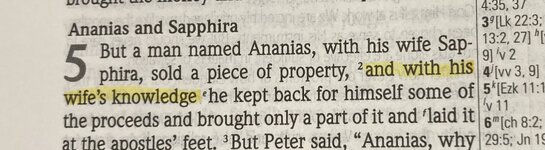
Acts 5

[3] Then said Peter, Ananias, why hath Satan filled thine heart, that thou shouldest lie unto the holy Ghost, and keep away part of the price of the possession? [4] While it remained, appertained it not unto thee? And after it was sold, was it not in thine own power? How is it that thou hast conceived this thing in thine heart? Thou hast not lied unto men, but unto God. [5] Now when Ananias heard these words, he fell down, and gave up the ghost. Then great fear came on all them that heard these things.
God strikes Ananias and Sapphira dead for their stinginess and for their deceitful hearts to cover it up. You do not need to be rich. You do not need to give much. You don't need to give more than you can bear. But there shall be no stinginess in the worship of God. Give as a cheerful giver, not as if under a begrudging obligation. Just as He rejected Cain, God will reject your offerings if you give them with a begrudging or stingy heart. But like Abel, give as a cheerful giver, trusting that Christ will meet your every need, so that you don't have to be stingy but may give to God with a clear conscience and in all joyfulness. As Paul says, each one must give as He has purposed in his heart. Give to God the way a good son would give a gift to his loving father, not as a slave who is under obligation would give to his master.

[14] Also the number of them that believed in the Lord, both of men and women, grew more and more.) [15] In so much that they brought the sick into the streets, and laid them on beds and couches, that at the leastway the shadow of Peter, when he came by, might shadow some of them. [16] There came also a multitude out of the cities round about unto Jerusalem, bringing sick folks, and them which were vexed with unclean spirits, who were all healed.
You remember in the Gospels Jesus said "You will do greater signs than Me." This was fulfilled in the acts of the Apostles. Whereas Jesus would touch people to heal them, people would be healed by just having the Apostles' shadows shade over them.

[17] Then the chief Priest rose up, and all they that were with him (which was the sect of the Sadducees) and were full of jealousy
The way Luke articulates this is very deliberate. The Jews are "filled with jealousy." In Deuteronomy, God prophecies to the Hebrews that He will "make them jealous with a foolish nation." This is fulfilled in the New Testament.

[29] Then Peter and the Apostles answered, and said, We ought rather to obey God than men. [30] The God of our fathers hath raised up Jesus, whom ye slew by hanging on a tree. [31] Him hath God lifted up with his right hand, to be a Prince and a Saviour, to give repentance to Israel, and forgiveness of sins. [32] And we are his witnesses concerning these things which we say; yea, and the holy Ghost, whom God hath given to them that obey him.
The way Peter says this is also deliberate and in fulfillment of Scripture. The Jews killed Jesus by "hanging Him on a tree." The Apostle Paul also picks up on this in Galatians 3. The Law says "cursed is every one who hangs on a tree." Whereas Jesus was cursed by the supposed keepers of the Law, He was blessed and exalted by God to the utmost degree.

[38] And now I say unto you, Refrain yourselves from these men, and let them alone, for if this counsel, or this work be of men, it will come to nought; [39] But if it be of God, ye cannot destroy it, lest ye be found even fighters against God.
Paul's teacher, Gamaliel warns the Jews to not persecute the Apostles. If the Apostles were from God, they could not fail, and they indeed did not fail. Contrast them with some of the other movements of the time such as the zealots, who did fail in their political mission. The Jews did not listen and did indeed find themselves in direct conflict with God.
 
Last edited:
Back
Top