"Lack of valid insurance" here means that they don't pay the Rothschilds/Lloyds of London for the privilege of sailing and trading on the other side of the world, those ((Londoners)) getting a cut of every item traded around the world. Nice little rackett they've had there for a couple of centuries., kind of similar to the SWIFT rackett where every interbank transaction around the world gets to be parked in their bank, and they charge you for that privilege.
And if you don't pay them, you get labeled as "pirate".
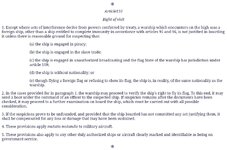
Lack of valid insurance in itself doesn't violate the law of the sea. Same goes for lack of valid service inspections or violating US sanctions. So under UNCLOS a ship can not be boarded in international waters for these infractions alone. Not when the ship has valid registration.
However, since these infractions are generally breaking the laws of the flag state, they can lead to the ship's de-flagging. And a stateless ship in international waters is fair game to anyone.
Off-topic
Russia actually benefits greatly from UNCLOS - so far, despite many attempts, none of their ships have been successfully seized by the Europeans. Just today France released the tanker "Grinch" after her owner plead guilty to breaking the French law (the ship was stateless and came under French law by default) and payed a couple millions in fines. Compare it with all the tankers seized by the US.
Back on topic.
If Russia actually sends a tanker to Cuba and the US decides to intervene, it will play out in one of the following ways:
1. The tanker is fraudulently registered and doesn't actually have a state flag - she can be boarded in international waters under international law.
2. The ship has a valid registration in a 3rd party state, but doesn't follow the flag state laws (no valid insurance for example):
a. the flag state is informed about these violations and gives the US permission to board and enforce the law
b. the flag state is informed about these violations and de-flags the ship. She becomes stateless and can be boarded in international waters under international law.
c. the flag state is informed about these violations but doesn't care about it and does nothing (highly unlikely) - she can not be boarded in international waters under international law, but we can still board her if we choose so, because the US is not party to UNCLOS.
3. The ship sails under the Russian flag. Russia doesn't give us permission to board her no matter the cause - she can not be boarded in international waters under international law, but we can still board her if we choose so, because the US is not party to UNCLOS.